How to Upgrade Your Old Fence with WPC Fencing: Step-by-Step Guide
Introduction
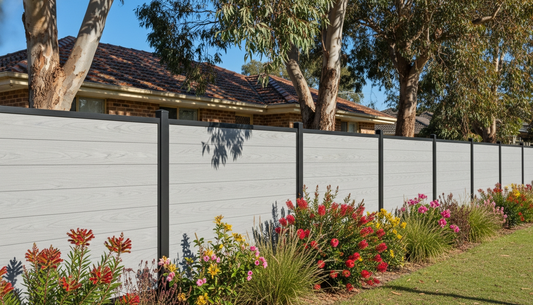
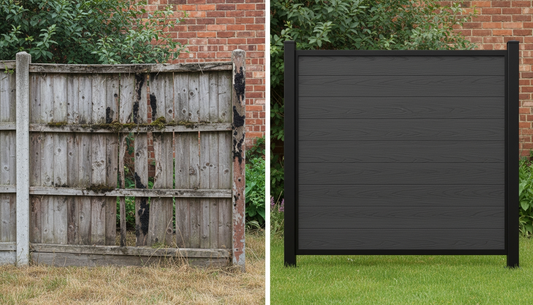
Upgrading an old fence does not have to mean tearing the whole thing out. With WPC (Wood Plastic Composite) boards you can reface an existing structure and get a modern, durable, low-maintenance result. WPC combines the look of wood with the durability of plastic, which suits both residential and commercial properties. This guide walks through cladding an existing fence frame with WPC, step by step.

Materials and Tools You Will Need
Gather the following before you start:
-
Galvanised square tube for the support frame
-
Anti-rust paint
-
L-shaped edge trim
-
Dovetail screws
-
Electric drill and screwdriver
-
Measuring tape
-
Saw, if boards or tubes need cutting
-
Safety gloves and goggles
Having everything to hand makes the installation far smoother.

Step 1: Install the Main Support Frame
Weld galvanised square tubes at the top and bottom of the existing fence. These carry the WPC boards. Properly welded tube is what keeps the finished fence stable against wind and impact.

Step 2: Apply Anti-Rust Paint
After welding, protect the metal. Use anti-rust paint over all welded sections and exposed metal. Skipping this is the most common reason a refaced fence fails early — the boards outlast the frame underneath them.
Step 3: Attach the WPC Boards
Connect the WPC boards using the tongue-and-groove system, which gives a seamless fit and leaves no gaps. Fix the boards to the square tubes with dovetail screws.
-
Space the square tubes 30 to 60 cm apart.
-
The closer the tubes, the stiffer the finished fence — use the tighter spacing on exposed or windy boundaries.

Step 4: Install the L-Shaped Edge Trim
Fit the L-shaped edge trim along the top and fix it with screws. It gives a finished edge, adds stability, and protects the exposed ends of the boards — which is where water would otherwise get in.
Step 5: Finishing Touches
With all boards and trims installed, check for loose screws and uneven boards, then clean the surface to remove dust and swarf.
Tips for a Successful Installation
-
Measure twice, cut once — confirm tube and board lengths before you start fixing.
-
Safety first — gloves and goggles for cutting, welding and drilling.
-
Maintenance — WPC is low-maintenance, but an occasional wash with water and mild soap keeps it looking new.
-
Material quality — good WPC boards and properly galvanised tube are what decide whether this lasts.
Conclusion
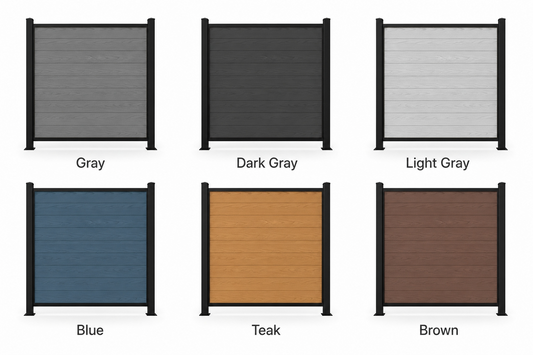
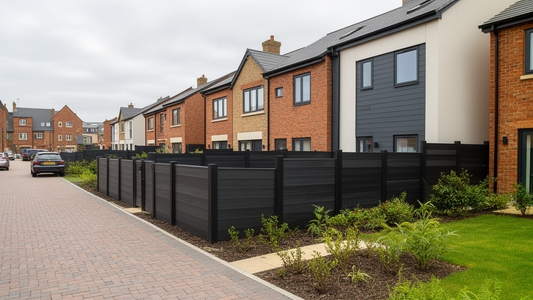
Following these steps turns an old fence into a modern WPC one without a full rebuild. The process is straightforward and cost-effective, and it noticeably lifts the appearance of a property. If you are pricing the boards for a run, use the form on this page — tell us the length, height and colour and we will come back with a real per-unit figure. Minimum order is 70 sets.
Tags:
Previous
Why Composite Fencing Is the Perfect Solution for South America's Extreme Climates
Next
7 Hidden Dangers in Wood–Plastic Composite Manufacturing